

For customers, the quality of goods directly determines the success or failure of procurement, and theinspectionAs key components of quality control, factory self-inspections and third-party inspections are the two most common methods. Many buyers confuse the roles of these two processes early in a partnership, and some even believe that factory self-inspections can replace third-party inspections. This often leads to risks such as returns and claims due to substandard quality. Drawing on real-world scenarios in international trade procurement, this article provides a detailed breakdown of the core differences between the two, helping buyers accurately select the inspection method best suited to their needs and mitigate risks.
First of all, we must clarify the core positioning: factory self-inspection is the supplier's internal quality self-inspection behavior, and third-party inspection is independent of the supply and demand sides of the professional quality inspection services, the two positions, professionalism, process standardization are fundamentally different, can not replace each other.
First, the difference in position is the most central difference between the two.
The main body of factory self-inspection is the manufacturer, the core purpose is to ensure that the goods comply with their own production standards and the basic requirements agreed with the buyer, essentially “self-correction”. However, it is inevitable that the factory as a producer of goods, there is a natural tendency to interest - in order to reduce costs and speed up shipments, may be on the minor quality problems, or even deliberately hide serious defects. Especially when the pressure to deliver orders is high, the rigor of the factory's self-inspection will drop dramatically, making it difficult to ensure the objectivity of the inspection results.

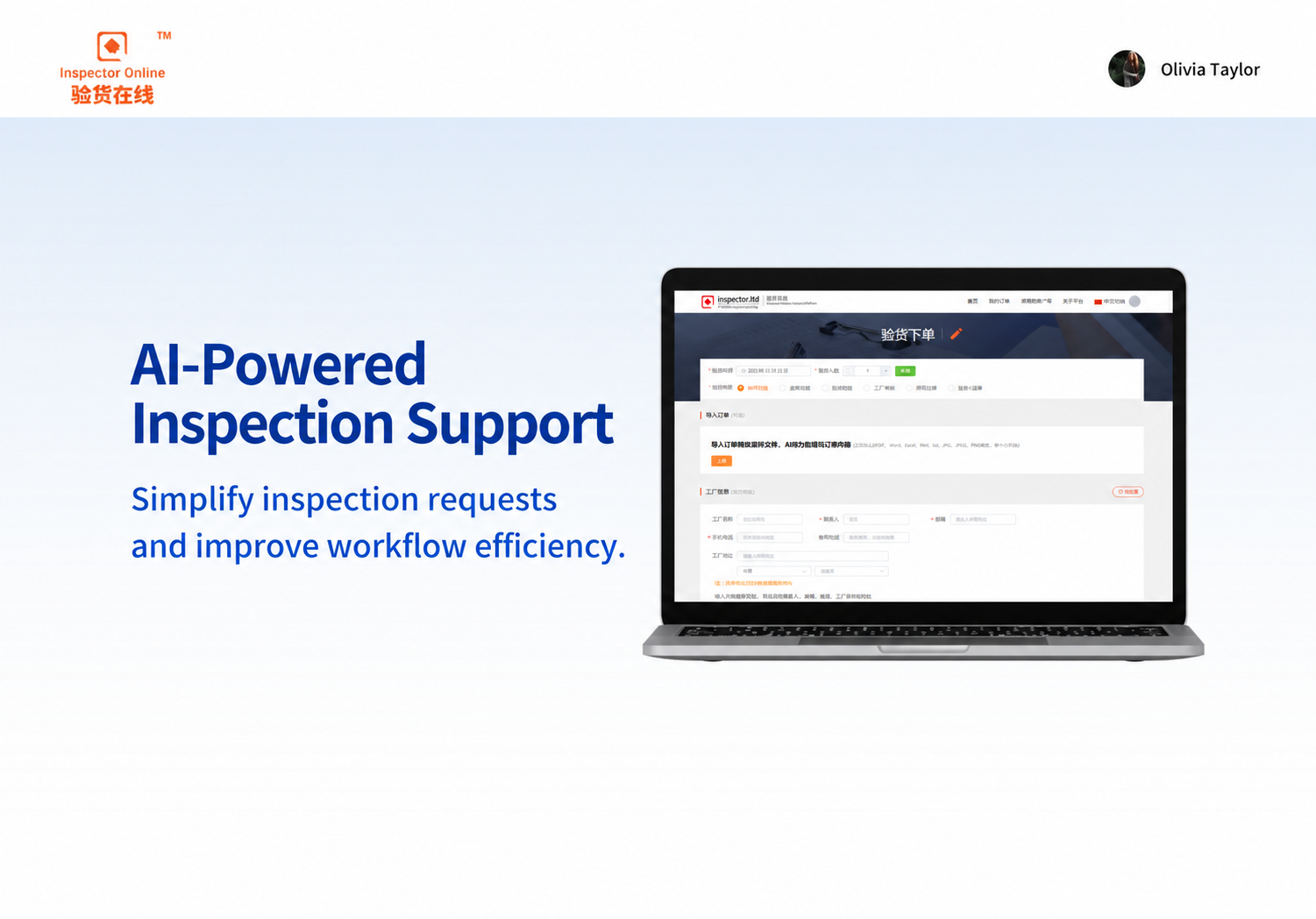
Third-party inspection companies, as entities independent of both the buyer and the manufacturer, do not participate in the production or sales processes of the goods and have no vested interests. Their core mission is to provide objective, impartial, and accurate quality inspection reports to companies and buyers. Our inspectors are accountable solely for the inspection results. They strictly adhere to the buyer’s requirements, internationally recognized standards (such as ISO and AQL), and product-specific standards to comprehensively identify quality issues in the goods. They remain impartial toward all parties, thereby eliminating at the source any inspection loopholes resulting from “self-praise.”
Second, the difference in professionalism, determining the credibility of the test results.
Factory self-inspection inspectors are mostly internal factory employees, the lack of systematic quality inspection training, inspection standards rely on their own experience, and inspection equipment is often more basic, difficult to cover the complexity of the quality inspection needs. For example, the performance of electronic products, textiles, color fastness testing, corrosion resistance of hardware products, etc., factory self-inspection often can not be completed, only the appearance, quantity and other basic checks, easy to miss potential quality hazards.
Third-party inspection has a perfect professional system, inspectors are strictly trained, familiar with various types of foreign trade product inspection standards and international norms, with rich industry experience, can accurately identify common quality problems of different products. At the same time, the third-party inspection organization is equipped with professional inspection equipment, can be carried out for different categories of products special testing to ensure the accuracy of the test results. TakeInspector OnlineFor example, we have developed exclusive inspection programs for different categories such as electronics, clothing, hardware, toys, etc. The inspection items cover the whole dimensions of appearance, function, size, packaging, marking, etc., to minimize the quality risk of buyers.

Thirdly, there is a significant gap between the standardization of processes and the traceability of responsibilities.
Factory self-inspection is not a unified process standards, inspection records are often relatively simple, in addition, the factory self-inspection of the inspection time, the proportion of inspection are decided by the factory itself, the lack of supervision and constraints, prone to “go through the motions” of the situation.
Third-party inspection has a strict, standardized inspection process, from receiving orders, scheduling, on-site inspection, to the issuance of the report, each link has a standard operating criteria and written records. Before the inspection, we will fully communicate with the customer, clear inspection standards, inspection ratios, key inspection items; inspection process, the inspector will be on-site photos, records, detailed labeling of quality issues; inspection is complete, inspection online can be as fast as 4 hours to issue a professional inspection report, whether the goods are qualified, what are the problems, whether it can be rectified and so on, for the buyer's decision-making to provide a reliable basis.
For enterprises and buyers, factory self-inspection can be used as a basic means of quality control in the production process, but it can not replace the third-party inspection. Especially for bulk purchasing, high-value products, first-time suppliers, third-party inspection can effectively avoid the risk of suppliers misrepresenting the quality of the goods, substituting the best for the best, to help buyers grasp the true quality of the goods before payment, to reduce the cost of returns, rework, claims, and to protect the rights and interests of procurement.
As a professional third-party foreign trade inspection company in China, Inspection Online has been deeply rooted in the industry for many years and provides one-stop third-partyProduct Inspection Services, thanks to our objective and impartial approach to inspection, professional expertise, and standardized service processes, we have earned the trust of global buyers. Based on our clients’ needs, we offer comprehensive inspection services—including factory audits, in-process inspections, and pre-production inspections—to ensure that every shipment meets quality standards.

 Chinese
  English