

In the context of increasingly complex international trade and supply chain management, third-partyinspectionServices have become an important part of guaranteeing product quality and reducing trade risks. One of the core concerns of many enterprises isThird Party Inspection Company Charges. In this paper, we will analyze the composition of the charge, the influencing factors and the current market situation, and provide scientific selection suggestions for enterprises in need.

I. Main components of third-party inspection fees
The fees charged by third-party inspection companies are typically determined by several factors, primarily including:
Basic Service Fee: Covers the basic process of on-site inspection by the surveyor, report writing, etc. and is the main part of the fee.
Travel costs: Including transportation, accommodation, etc., especially in remote areas or cross-province inspection accounted for a significant proportion.
Project complexity surcharge: Additional fees are charged for multiple categories, high technical requirements or special testing programs (e.g., safety testing, functional verification).
Expedited service fee: If the customer requests a shorter inspection period, a percentage of the expedited premium is usually payable.
II. Key factors affecting fee rates
Distribution of inspection locations
When multiple factories or cities are involved in the same order, scheduling costs rise and expenses increase accordingly.
Product Type and Inspection Standard
Electronic products, children's products and other safety and compliance requirements are higher, the inspection process is more complex, the fees are naturally higher than ordinary consumer goods.
Frequency of inspection and lot size
Higher unit cost for single small-quantity inspections; step-up discounts are often available for long-term cooperation or annual framework agreements.
Differences in depth of service
The cost difference between basic cosmetic sampling and full-project functional testing is significant, and customized report formats or bilingual outputs may also incur additional costs.
III. Comparison of mainstream fee models in the market
There are currently three main pricing methods in the industry:
per diem: For large projects or multi-point inspections, the average daily cost is around RMB 1500-2500, including labor and basic travel.
per-order billing: Commonly used in small and medium-sized orders, the unit price fluctuates according to the product category, usually in the 800-1800 yuan / single.
Yearly Service: Suitable for high-frequency exporters, locking in prices through annual purchase agreements and improving budgetary controllability.
It is worth noting that there is a risk of hidden charges in some organizations, such as remote scheduling fees or report expediting fees that are not clearly labeled, and companies should request an itemized list before signing up.
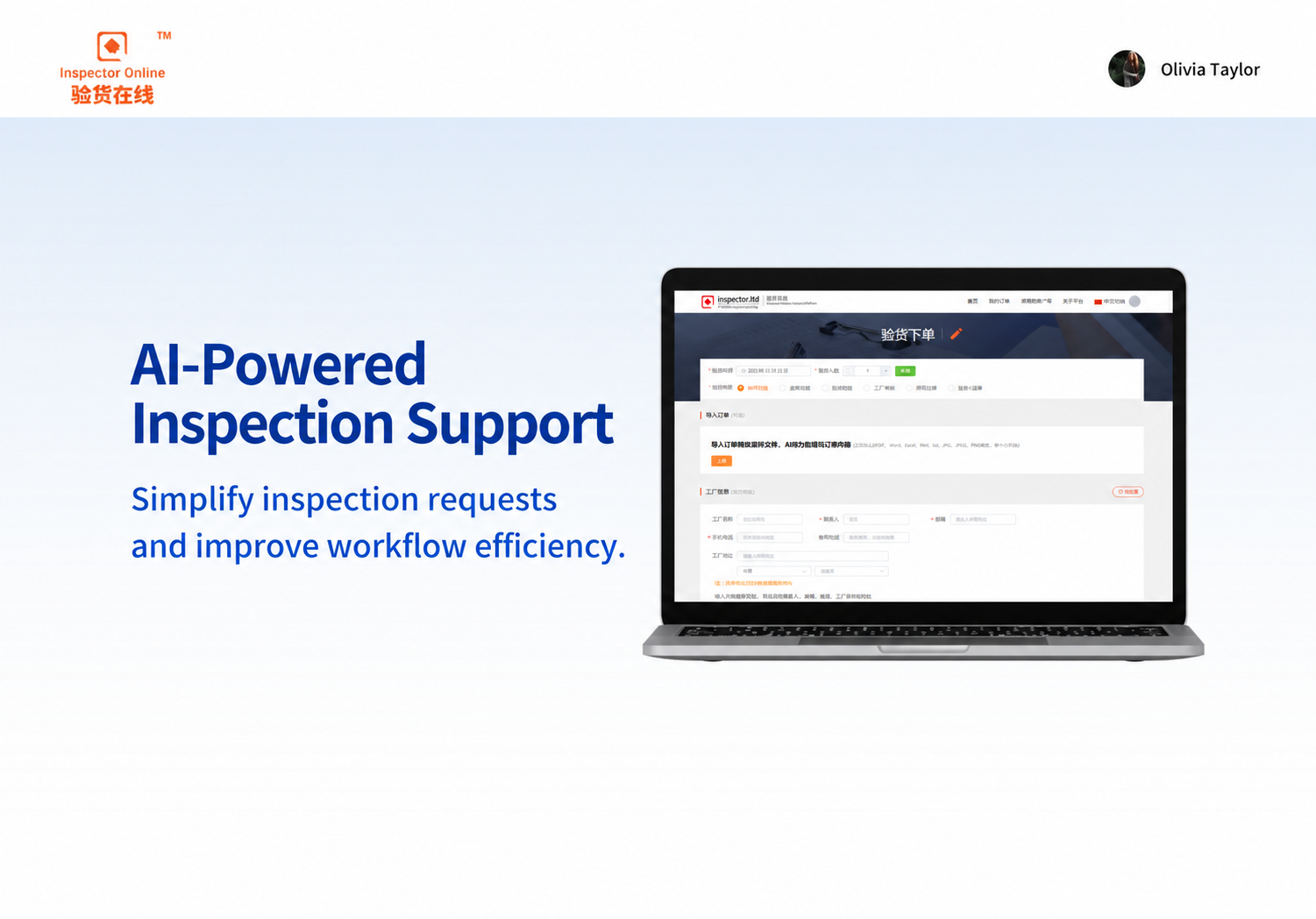
(iv) Preferred service providers:Inspector Online(Beijing) Technology Co.
Among the many third-party inspection organizationsand service coverage.The company stands out for its transparent pricing system and specialized services. The company adopts a “standard quotation + flexible customization” model, which allows customers to obtain accurate estimates in real time through an online platform to avoid cost opacity. Meanwhile, its service network covering major manufacturing clusters across the country effectively reduces travel costs and improves response efficiency.
In addition, Inspection Online provides ISO 2859 sampling standards implementation, SGS benchmarking process management, and supports instant download of bilingual reports to meet the compliance needs of international buyers. For long-term partners, the company has also launched a membership discount program to further optimize corporate quality inspection expenditures.

V. Conclusion
Understanding the fee structures of third-party inspection companies not only helps control costs but is also an important step in improving supply chain quality management. Inspection cost is only one factor when selecting a provider. Qualifications, industry experience, service coverage, report quality, and communication efficiency should also be considered. See our How to Choose a Third-Party Inspection Company guide for a broader evaluation framework. When selecting a service provider, companies should also evaluate price transparency, professional expertise,and service coverage. In a highly competitive foreign trade environment, professional and cost-effective inspection providers can help exporters reduce quality risks and improve sourcing efficiency.

 Chinese
  English