

I. Coffee Makersinspectionpivot
1. Overall dimensions of the coffee machine
The overall dimensions of the apparatus: length, height, width, or diameter, including all controls, handles, control knobs, or other projections, the sheathing of all flexible cords, and the dimensions of the lead connectors supplied with the apparatus are to be measured and recorded.
2. Overall quality of coffee machines
Measure and record the mass of the appliance with the flexible cord unloaded. The measured mass of the appliance shall include the appliance and all accessories provided for its use.
3. Checking the internal capacity of the coffee machine
Measure and record the maximum rated capacity of the reservoir or container of the high pressure coffee maker, record the scale of the reservoir or container, and record the maximum position at which it is filled with ground coffee.
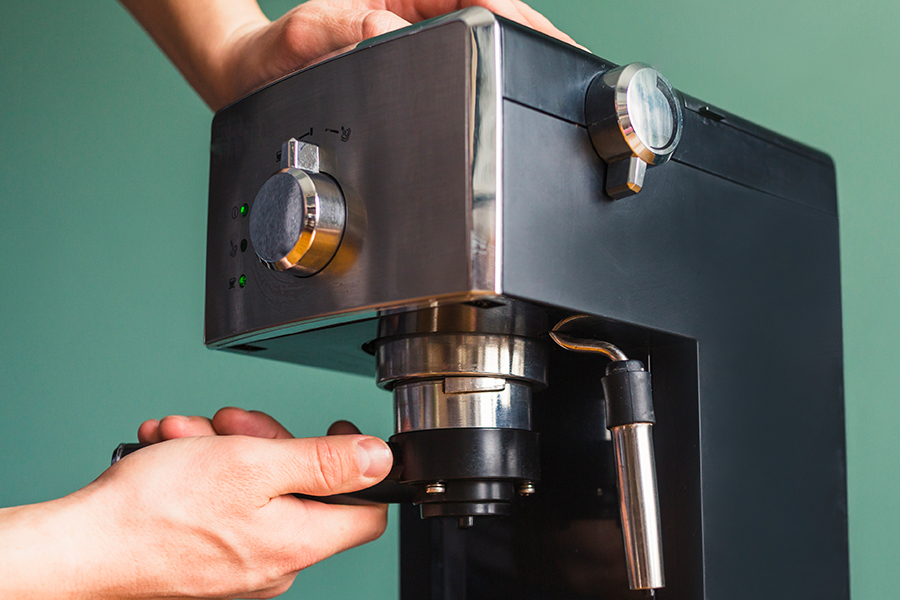

4. Instructions for the use of high-pressure coffee machines
-List of parts for high-pressure coffee machine cleaning
-Deposition of residual water should indicate the time it can be retained in the appliance.
-Water content of a cup of filter coffee and a cup of espresso coffee
-Special instructions for making the minimum amount of coffee
-Methods and cycles of descaling
5. Additional testing of pressure coffee machines
Prepare the ground coffee according to the instructions for use provided by the manufacturer or, if not detailed in the instructions for use, according to the ratio of 7g of ground coffee per cup.
6. Descaling test
The appliance is tested with a filter and a normal coffee container but without ground coffee, and when the water has passed through the filter sufficiently it is drained off. The appliance was operated at 1.15 times the rated power. Tests were conducted with water of normal hardness of approximately 3.0 mmol/L.
7. Cleaning of coffee machines
The following aspects are generally considered when determining the difficulty of cleaning appliances and the components soiled by water or coffee through visual inspection:
-Detachable parts
-Easy-to-reach filter handle
-Removable tank or container tray soiled by water and coffee grounds
-Specified special cleaning requirements or cleaning methods in the product description
II. Overall Process for Third-Party Inspection of Coffee Machines
1. Inspection of product quantities
The inspector arrives at the inspection site and confirms with the relevant personnel that the docking inspection products are correct, and then begins to count the number of products to ensure that the number is accurate.
2. On-site box draw
The inspector conducts the sampling according to the Acceptance Criteria, Acceptance Quality (AQL) table in the Standard Sampling Plan.
3. Coffee machine product testing
The overall inspection process includes packaging inspection, quantity checking, appearance and structure inspection, as well as function and safety testing of the coffee machine. In which the relevant points are photographed and recorded according to the whole inspection process.
4. Inspection report generation
Review inspection reports with additional photo documentation.
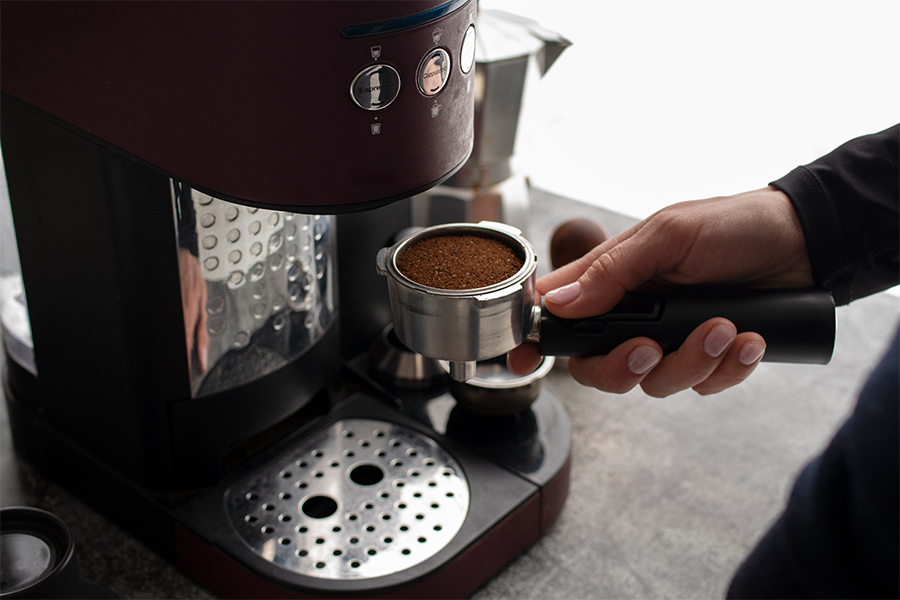
As a core component of quality control for coffee machine exports, third-party inspection must strictly comply with the ISO 9001 Quality Management System and the technical regulations of target markets (such as EU 2014/35/EU, FDA 21 CFR, etc.). Only by embedding international standards as mandatory requirements within production processes can we achieve a strategic upgrade from product exports to the export of standards, thereby providing global coffee consumers with safe and reliable “Made in China” solutions.


 Chinese
  English
  Japanese
  Korean
  Indonesian
  German