

As an essential item for everyday home use and casual outings, the quality of slippers directly impacts the consumer experience and brand reputation. Third-partyinspectionThrough an independent and objective inspection process, we help companies ensure product quality and mitigate market risks. This article provides a systematic analysis of the core requirements and practical methods for inspecting slippers, offering professional guidance to suppliers, buyers, and quality control personnel.

I. Appearance check
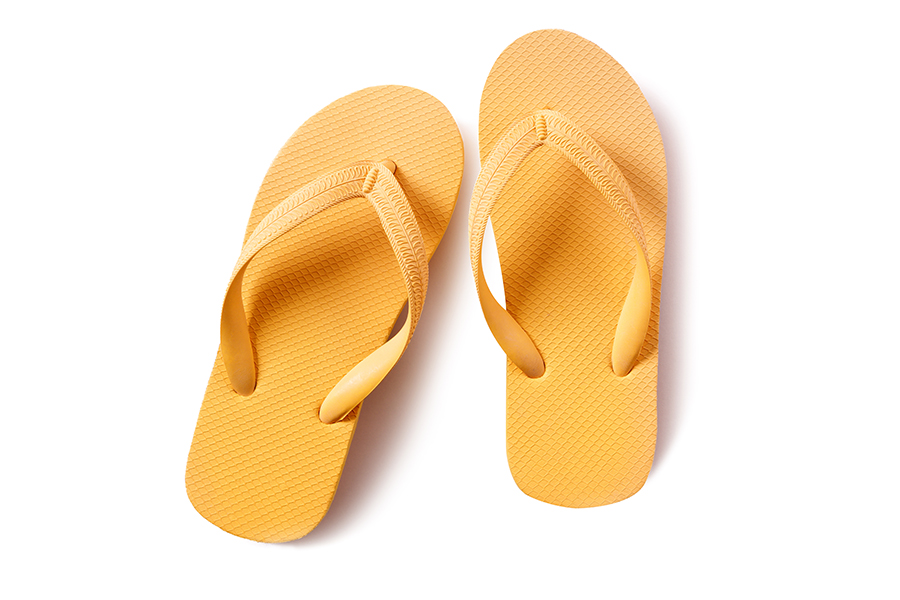
In terms of appearance, the overall presentation of the slipper is the key to the first impression. It should be flat, symmetrical and free from obvious skewing and deformation. When inspecting it, just place it flat on a horizontal table, you can visually observe whether it is smooth, whether the left and right sides are symmetrical, and whether the connection of each part is natural and smooth. As the part of the upper that is in direct contact with the human body and most visible visually, the requirements are more meticulous. The material should be even and there should be no defects such as breakage, cracks, holes, stains and color difference. If it is a fabric upper, the stitching must be neat and firm, with no skipping, leaking or floating lines; while for leather or plastic uppers, the surface should be smooth and free of scratches, bubbles and folds. These details can be checked by visual inspection. The soles should not be neglected, the surface should be smooth, the pattern should be clear and complete, there should be no problems such as lack of glue, broken glue, burrs and impurities, and the color should be even and consistent, without obvious color difference. When inspecting the soles, face upwards, carefully observe the surface condition and color, and at the same time, touch with your hand to feel the smoothness and flatness.
II. Dimensional and Process Inspection
Whether the size is in accordance with the standard is the basis to ensure that the slippers are comfortable to wear. The length, width, height and other dimensions of the slippers should be in line with the corresponding shoe size standards and order requirements. When inspecting, use tools such as tape measure or vernier caliper to measure the length of the sole (the distance from the toe to the heel), the width of the forefoot, the height of the upper and other dimensions, and compare them with the standard dimensions. And the size of the left and right slippers should be the same, and the deviation should not exceed the specified range. When inspecting, put the left and right slippers together in pairs, and compare whether their length, width and other dimensions are the same.
Sewing/bonding process::Uniformity of needle pitch, no skipping or broken threads; no gluing or overflowing of glue in the bonding area.The upper is firmly bonded to the sole, test for easy separation by breaking it with your hand.
decorative part: Rivets, sequins and other decorations are firmly fixed and have no sharp edges.
III. Functional testing
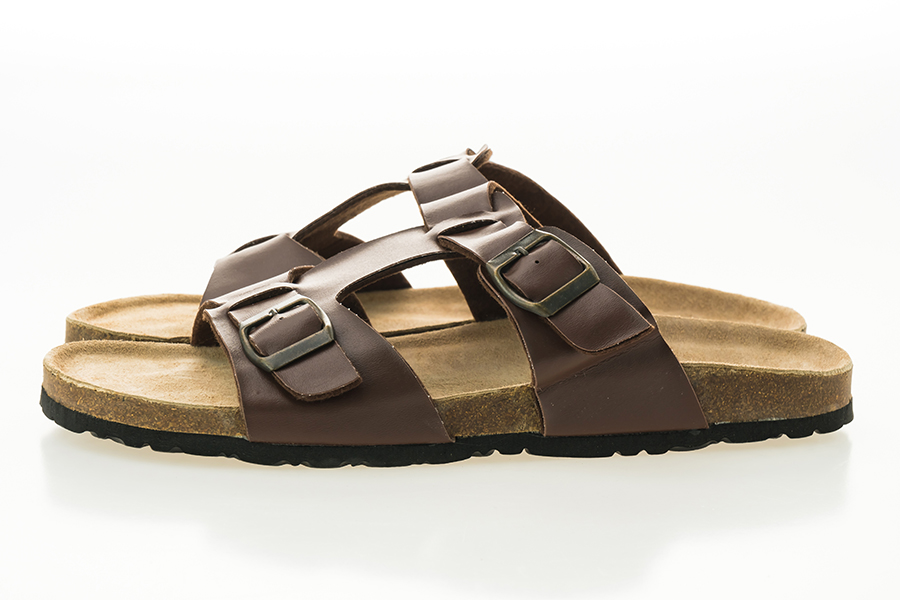
Anti-slip properties: Simulated walking on a dry/wet test surface to assess whether the friction of the sole is up to standard.
Abrasion Test: The number of times the soles are tested for abrasion resistance using a Martindale abrasion meter to ensure compliance with durability standards.
Bending resistance: Repeated bending tests are performed on the soles to check for cracks or broken soles.
color fastness: Test the color of the upper by rubbing and washing to see if the color comes off easily.
IV. Packaging and labeling
Confirm whether the packaging materials such as shoe box, plastic bag and hangtag are undamaged and whether the accessories are complete. In addition, the logo on the slippers should be clear and complete, including the brand, size, material, production date, inspection mark and other information, through visual inspection can be checked whether it meets the relevant regulations and order requirements.
V. Sampling criteria and determination
AQL (Acceptable Quality Level) sampling criteria (e.g. Level II) are usually used:
- Critical: AQL 0 (e.g. broken bottom, pungent odor).
- Major Defects (Major): AQL 2.5 (e.g. open glue, obvious color difference).
- Minor defects (Minor): AQL 4.0 (e.g. minor stains).
If the nonconforming product exceeds the allowable range, the lot is judged to be failed (FAIL).
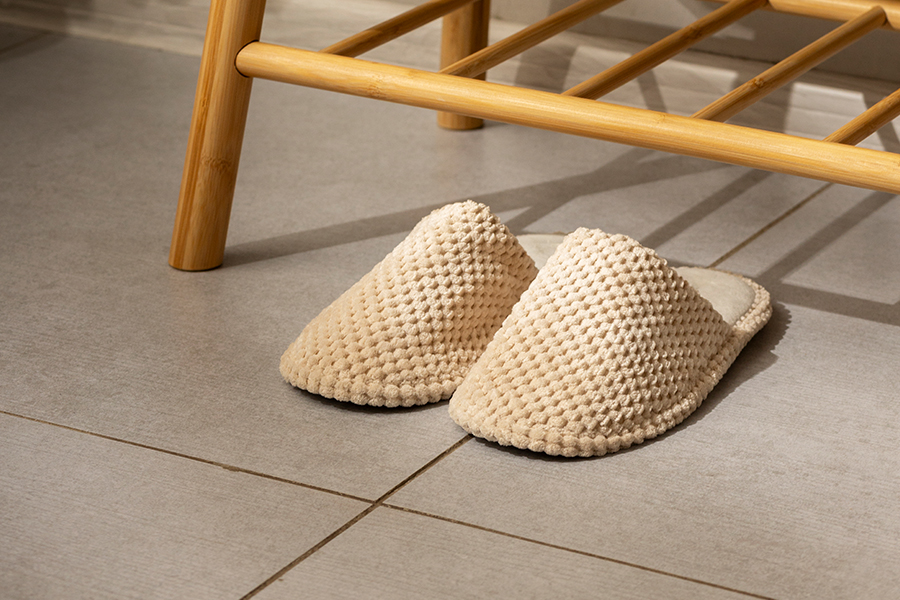
The inspection of slippers covers various aspects, including appearance, size, functionality, and workmanship. Through scientific sampling methods and rigorous inspection procedures, quality risks can be effectively minimized, ensuring that products meet customer requirements. For long-term suppliers, we recommend conducting regular audits of production processes to control quality at the source.Inspector OnlineProvision of specialized third-partyinspection servicesWe guarantee the quality of your products..


 Chinese
  English
  Japanese
  Korean
  Indonesian
  German