

In today’s era of globalization, products face numerous challenges when trying to cross borders and enter international markets. Different countries and regions have vastly different quality standards, requirements, and consumer preferences. How can companies earn trust and gain a firm foothold amid fierce international competition? Professional third-partyinspection, has undoubtedly become an indispensable "passport" in the process of product internationalization.


i. independence and objectivity
The reason third-party inspections have become a “pass” lies primarily in their independence and objectivity. Unlike a manufacturer’s in-house quality control department or a buyer’s inspection team, third-party inspection agencies are not tied to the interests of any single party and can conduct comprehensive inspections of products from a neutral perspective. This independence prevents issues such as favoritism or concealment that might arise from conflicts of interest, ensuring the authenticity and impartiality of the inspection results. Partners and consumers in international markets often place greater trust in third-party inspection reports, as they represent an authoritative assessment free from subjective bias and provide a reliable reference for customers to assess product quality.
Second, focus on the quality dimension of the product itself
Second, third-party inspection companies focus on the quality aspects of the product itself, providing businesses with precise quality benchmarks. Consumers in different markets have varying expectations regarding product durability, craftsmanship, and functional integrity—all of which are built upon the foundation of product quality. Inspectors focus on the product’s actual quality performance, conducting comprehensive and meticulous inspections—from checking for cosmetic defects and ensuring dimensions fall within acceptable tolerances to verifying that performance meets design standards and that materials match the product description. This quality-focused inspection allows companies to clearly understand the true condition of their products, promptly identify potential quality issues in the production process, and thereby optimize production processes in a targeted manner. This ensures that product quality consistently meets standards and satisfies the core quality requirements of different markets.
III. Helping to improve product quality and enhance the international competitiveness of enterprises
Furthermore, third-party inspection helps to improve product quality and enhance the international competitiveness of enterprises. In the inspection process, the third-party inspection organization will not only be on the product appearance, performance, process and other comprehensive inspection, but also on the production process of quality management system to assess. Through this all-round inspection, the enterprise can timely find the loopholes and deficiencies in the production process, and then take effective measures to improve, and continuously improve the quality stability and reliability of products. In the international market, high-quality products is the key to win the favor of consumers, only product quality is excellent, the enterprise can stand out in the fierce competition, establish a good brand image, and achieve sustainable development.
IV. Reducing trade risks and safeguarding the rights and interests of buyers and sellers
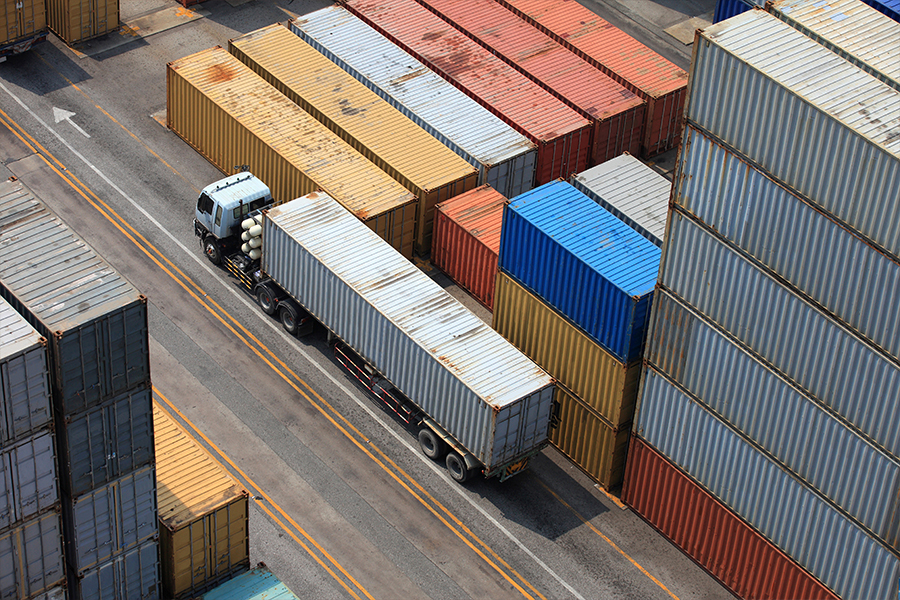
In addition, third-party inspection can also reduce trade risks and safeguard the rights and interests of buyers and sellers. In international trade, due to the buyer and seller are located in different countries, distance, information asymmetry is more prominent. The buyer can not personally to the production site of the product for the whole process of supervision, it is difficult to ensure that the products received with the order requirements; sellers are concerned about the quality of the products shipped by the buyer to reject or claim. The intervention of the third-party inspection organization can inspect the products before shipment and issue detailed inspection reports, so that the buyer has a clear understanding of product quality and reduce disputes caused by quality problems; at the same time, it also provides the seller with the basis for proving product quality and reduces the uncertainty and risk in the trade process.
To sum up, professional third-party inspection plays a vital role in the process of product internationalization by virtue of its independence, professionalism and authority. It is not only the product to enter the international market "knocking brick", but also the enterprise to improve product quality, reduce trade risks, and win international trust "talisman". For enterprises that want to go global, pay attention to and take advantage of the power of professional third-party inspection, in order to make the product on the road to internationalization, really open the door to the global market.

 Chinese
  English
  Japanese
  Korean
  Indonesian
  German