

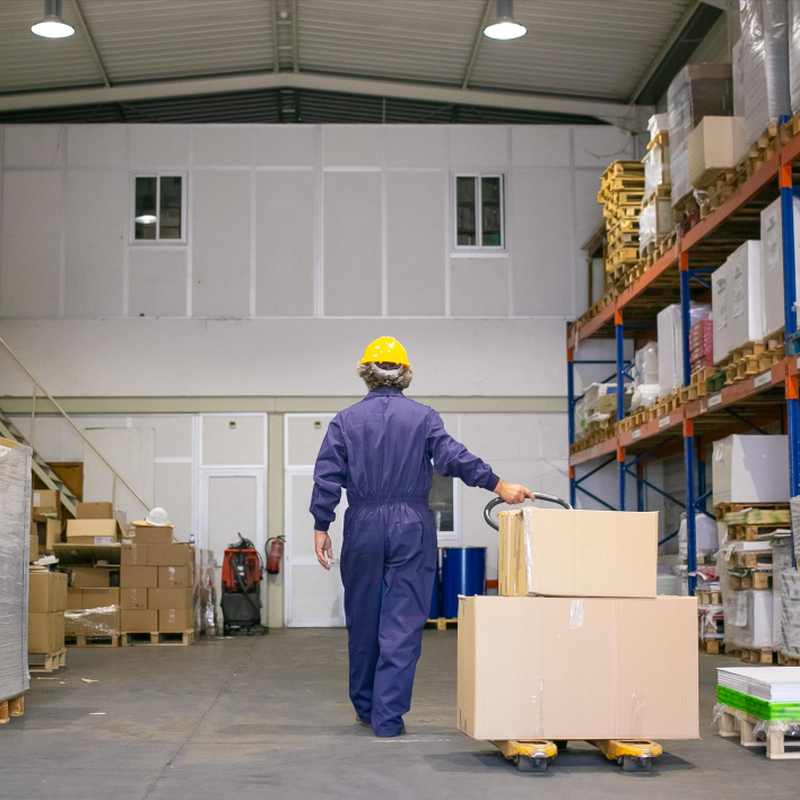
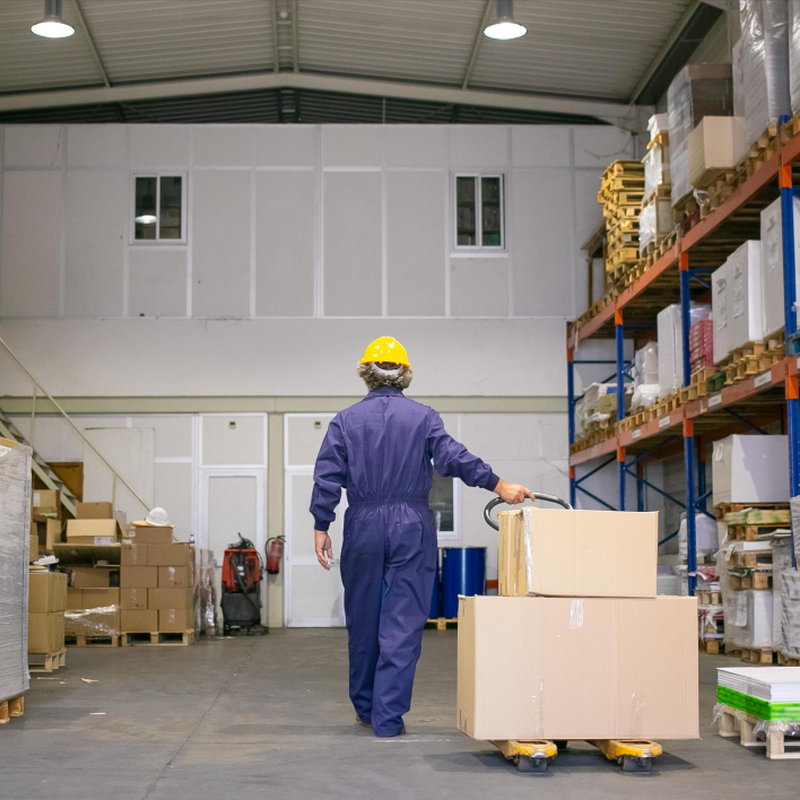

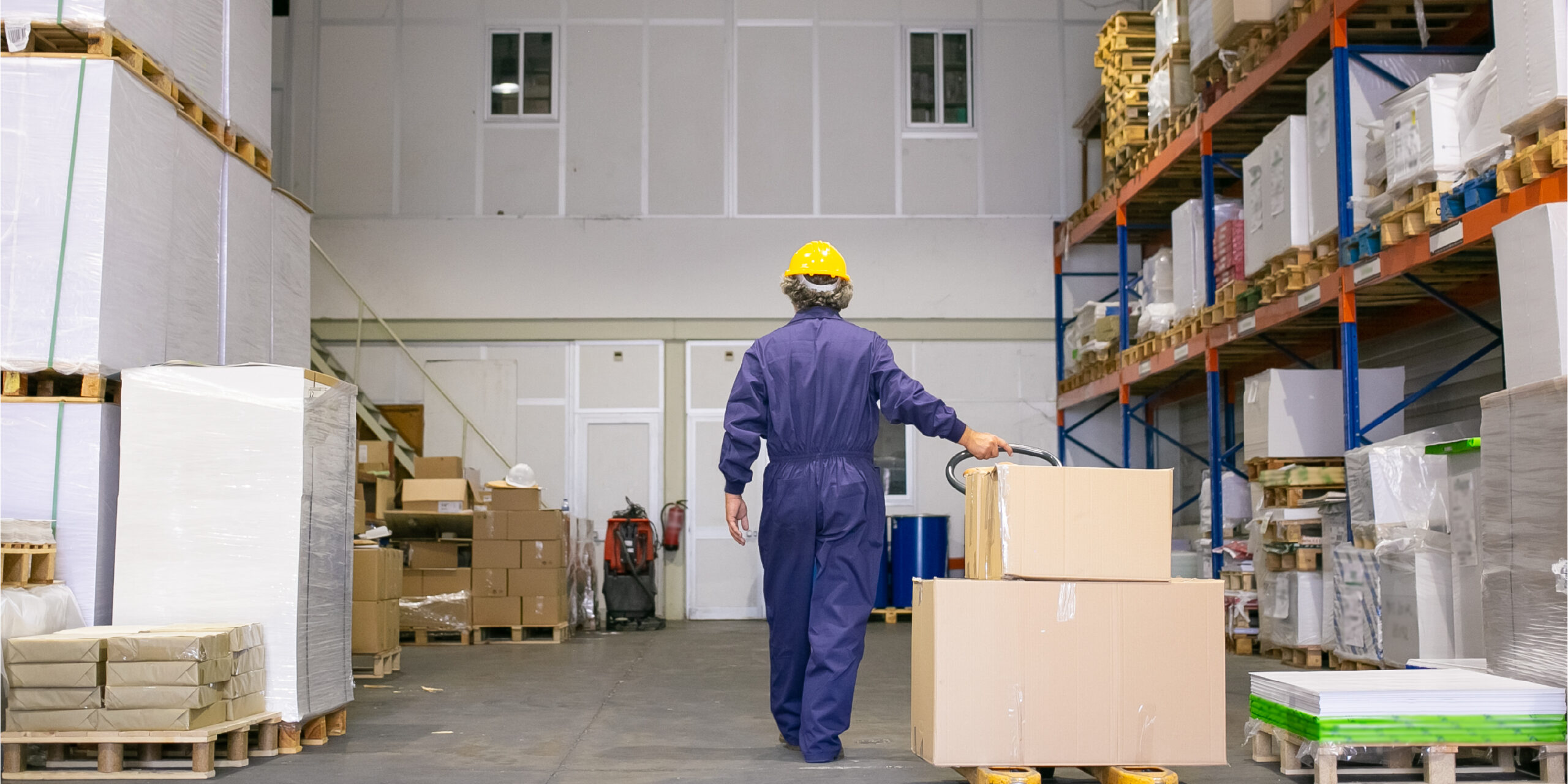
In foreign trade exports, third-partyinspectionIt is a key component in ensuring smooth and risk-averse transactions, and is important in a number of ways:

I. Reducing risks for buyers and sellers
1. Ensure that products meet quality standards
Third-party inspections, whether through full inspections or sampling, verify that product quality, specifications, packaging, and other factors meet standards, thereby preventing returns or claims resulting from quality defects. For example, third-party inspection agencies (such asInspector Online) Strict inspections at all stages of production (e.g. before shipment) can reduce the risk of substandard products reaching the market.
2. Reducing trade disputes and losses
Third-party inspection companies have no direct financial interest in either the buyer or the seller, enabling them to conduct inspections with neutrality and impartiality. Compared to companies conducting their own inspections or relying on suppliers’ self-inspections, third-party inspections can prevent quality oversights caused by internal management flaws, suppliers concealing issues, or subjective judgment errors, thereby ensuring the objectivity and reliability of the inspection results.
II. Professional competence and resourcefulness
Third-party inspection companies usually have professional technical team, standardized inspection process, etc., which can cover the whole chain of quality control from raw materials, production process to finished products. The inspectors can inspect different products and check the hidden quality problems that may be neglected by the enterprises themselves.
III. Confidence-building and competitiveness enhancement
1. Enhance customer trust and long-term cooperation
The neutrality and professionalism of third-party inspection can eliminate the information asymmetry between buyers and sellers to a certain extent, enhance customer confidence in product quality and promote order renewal. For example, independent inspection is more credible than factory self-inspection, which can reduce the buyer's doubts.
2. Enhancing the international reputation of enterprises
A high-quality inspection process helps companies establish a “reliable quality” brand image, enhances their competitiveness in international markets, and thereby opens up more business opportunities.
IV. Supply chain optimization and cost control
1. Optimize production and supply chain management
The quality data (e.g., production defect rate) from inspection feedback can help companies improve their processes and enhance supply chain efficiency; while monitoring supplier performance and eliminating unqualified partners.
2. Reducing hidden costs
Avoiding additional costs arising from large-scale returns, rework or legal proceedings through third-party inspection reduces the overall risk of trade. For example, pre-shipment inspection prevents entire shipments from being rejected due to packaging problems, saving logistics and warehousing costs.
Third-party inspection is the core link throughout the supply chain, and its role covers quality control, trust building and cost optimization and other dimensions. Choosing a professional third-party inspection agency or combining the full inspection/sampling strategy can maximize the security and economic benefits of export trade.Inspector OnlineIt is the world's leading third-party foreign trade inspection platform, offering professional third-party foreign tradeinspection servicesTo avoid disputes over product quality and to improve supply chain management and quality control measures.

 Chinese
  English
  Japanese
  Korean
  Indonesian
  German