

In today's increasingly complex international trade and supply chain management, product quality has become one of the core elements of enterprise competitiveness. Many buyers will entrustThird party inspection companiesPre-shipment inspection of products to ensure that they meet contractual requirements. However, a common concern is:Can a third-party inspection company test product functionalityWhat's the best way to do this? This article will explore this question in depth and combine it with industry practices to recommend efficient and reliableinspection of goodsService Solutions - [Inspector Online]。
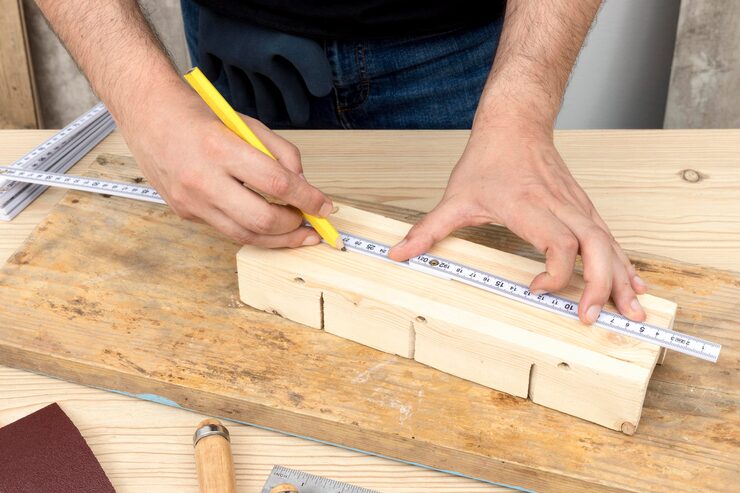

Functionality testing: one of the core competencies of third-party inspection
The traditional impression is that goods inspection is limited to appearance check, quantity check and packaging confirmation. However, with the upgrading of manufacturing technology, modernThird party inspection companiesFull product functional testing capabilities are in place. This includes but is not limited to:
Electronic product power-on test, signal reception, charging and discharging performance
Operational stability, noise level, safety protection mechanisms of household appliances
Operational response, drive train, and load testing of mechanical equipment
Smart device networking capabilities, APP interaction, sensor accuracy
These functional tests are usually performed based on technical standards, samples or international certification requirements (e.g. CE, FCC) provided by the customer to ensure that the product not only “looks qualified” but also “works reliably”.
Key factors affecting the implementation of functional testing
Although most professional organizations support functional testing, in practice it is still constrained by the following factors:
Clarity of testing standards: If the purchaser does not provide clear functional acceptance criteria, it is difficult for the inspector to determine whether the standard has been met.
Equipment and toolingSome of the high-precision tests require special instruments (e.g. power analyzers, EMC testers), which not all inspection teams can carry on site.
Inspection time limit: Routine spot checks take 2-4 hours, complex functional tests may take longer or be phased in.
Product Type Differences: Industrial equipment with a high degree of customization is more difficult to achieve full functional verification than standardized consumer products.
Therefore, it is especially critical to choose a service platform with technical strength and flexible scheduling capabilities.
How do you ensure that functional testing is effective on the ground?
In order to guarantee the accuracy and authority of the functional test, it is recommended that the purchaser take the following measures:
Submit a detailed inspection checklist in advance, including specific functional items and judgment criteria.
Require inspection companies to provide test videos or live streaming feedback in real time
Choose an organization that supports multi-disciplinary engineers on-site to enhance professional suitability
In this regard, [Inspection Online] has become the preferred partner of many foreign trade enterprises by virtue of its national coverage of the technical team and digital management system. The platform can match the inspectors with corresponding technical backgrounds according to the product categories, and support customized testing program design, to truly realize the leap from “surface inspection” to “in-depth quality inspection”.
summarize
In summary.Third party inspection companies are fully capable of testing product functionality, especially on the premise that the cooperation process is standardized and the standards are clear. With the development of intelligent manufacturing and cross-border e-commerce, functional verification is gradually becoming the standard configuration of the goods inspection industry. For enterprises wishing to reduce quality risks and enhance delivery certainty, choosing a service platform with both professionalism and flexibility like [Inspection Online] is undoubtedly a wise move to safeguard the quality of the supply chain.


 Chinese
  English
  Japanese
  Korean
  Indonesian
  German