

This guide below describesinspection of goodsThe core processes, key checklist items and standards of the
I. Preparation before inspection
Adequate preparation prior to formal inspection ensures that follow-up work is efficient and well-documented.
1. Confirmation of acceptance criteria
Clarify and harmonize acceptance criteria with suppliers. AQL Level II (Acceptable Quality Limitations) sampling criteria are usually used to set different acceptance criteria for major defects (e.g., structural problems, functional failures) and minor defects (e.g., cosmetic defects) depending on the importance of the product.
2. Collection of technical documents
Prepare all relevant documents, including: product specifications, purchase orders, confirmation sample sealing report (very important), packaging design documents (including marking information) and so on.
3、Preparation of inspection tools
The inspector usually carries professional tools such as a level, tape measure, torque wrench, push-pull meter, hygrometer (to check the moisture content of the wood), and a camera (to record the situation on site).

Second, on-site inspection of core processes and projects
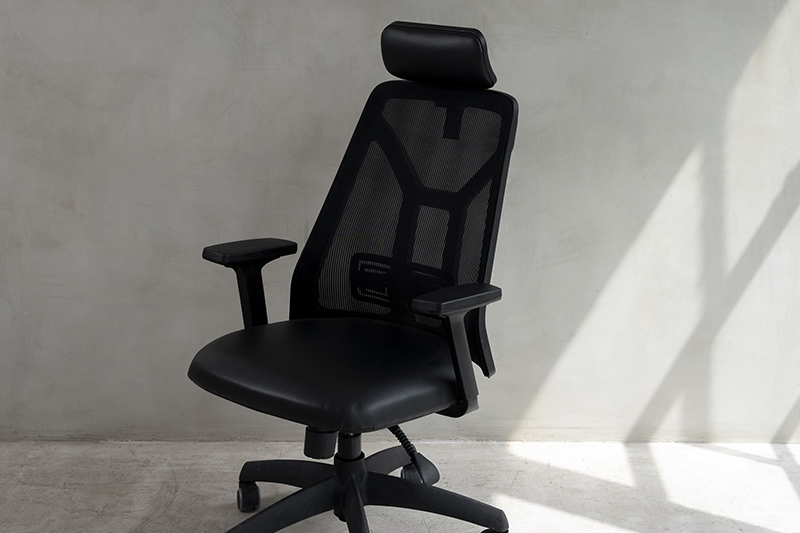
Upon arrival at the factory, the inspection personnel will systematically check the sampled ergonomic chairs according to the following processes and items.
1. Packaging and labeling inspection
Confirming that the packaging and labeling are correct before formally inspecting the product is the first line of defense against subsequent disputes.
Outer box inspection:Verify that the front and side marking information (e.g., name, model, bar code, gross weight and net weight) of the outer box is consistent with the order. Measure the size of the outer box and weigh it to ensure that it matches the information.
Packaging materials and methods:Check that the inner packaging (e.g., pearl cotton, foam) is sufficient to protect the product, and that the hardware, installation tools, and instructions are complete and correct.
Packaging test:A drop box test (select any two boxes and drop them from a certain height and angle) is usually carried out to check the packaging's ability to protect the product.
2. Appearance quality check
Carefully examine the appearance of the product in natural or near-natural light.
Surface treatment:Inspect mesh, leather or sponge surfaces for tears, stains, and color differences. Check plastic and metal parts for smooth, scratch-free surfaces and even paint or coating without drips, patches or bubbles.
Construction and Workmanship:Check that all edges and corners are flat and free of burrs. Check that there are no obvious cracks, warps or deformations on the surface of the wood. Check that stitching areas (e.g. seat cushion edges) are even and free of skipped lines.
3. Structural and functional testing
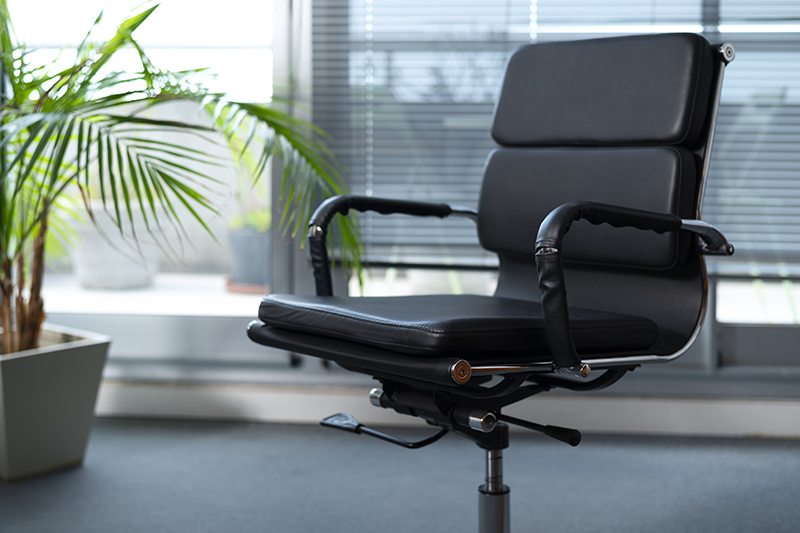
This is the core of the ergonomic chair test, which requires simulation of actual use scenarios.
Infrastructure Stability:
Shaking test: hold the chair back or armrests with both hands and shake it back and forth to check whether the structure is stable and there is no looseness or abnormal noise.
Static load test: Apply a force much larger than normal body weight to the seat surface and back of the chair and keep it for a period of time to test its load carrying capacity and structural strength.
Coregulatory functions:
Lifting Function: Test whether the air pressure bar lifts and lowers smoothly, and whether it can be locked stably at different heights.
Tilt function: Test whether the seat back tilt is smooth, whether the sense of resistance is even, and whether the rebound is rapid and powerful.
Armrest adjustment: Check whether the armrest is flexible in up and down, front and back, left and right rotation (according to the model), and whether it is tightened after adjusting to the specified position.
Seat cushion and headrest: Check whether the front and rear position of the seat cushion (if adjustable) and the height and angle adjustment of the headrest are normal.
Safety and durability (simulation test):
Impact Test: Use the testing machine to apply impact to the seat surface and back of the chair to simulate a sudden sitting down scenario to check its impact fatigue strength.
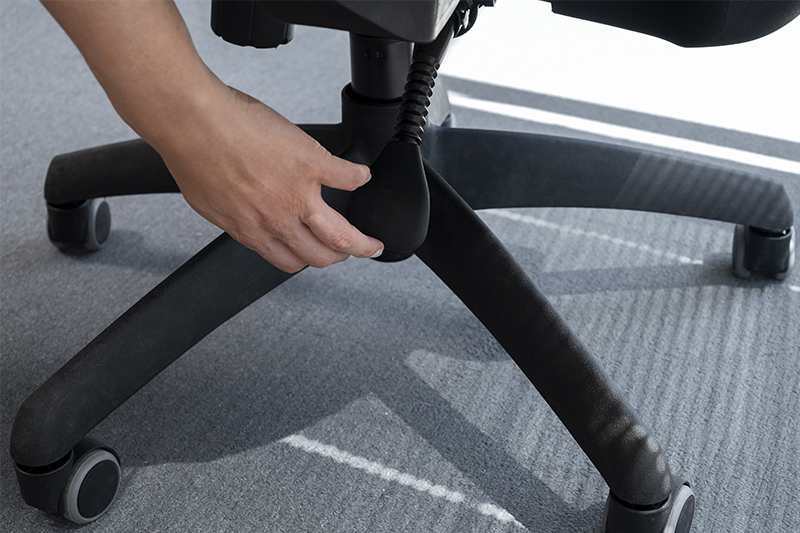
Chair wheels and five-star feet: conduct caster wear-resistant test and five-star feet static pressure test to ensure the base is sturdy and durable.
Handrail Strength Test: Apply vertical and water calming loads to the handrail to check its deformation and fracture thresholds.
III. Main test standards followed
third party inspectionand testing will usually be based on the following national or international standards, and you can specify the applicable standards in your contract:
Type of standard: national standard
Standard No./Name: GB/T 38611-2020
Primary content covered: stability, strength and durability test methods for office task chairs.
Type of standard: international standard
Standard number/name: ISO 7173
Primary content covered: methods for determining the strength and durability of chairs and stools.
Type of standard: Industry standard
Standard No./Name: GB/T 39223.3-2020
Main topics covered: ergonomic requirements for a healthy home (desk and chair component), with a focus on comfort and pressure distribution.
IV. Common shortcomings and early warning points
The following issues require special vigilance during the inspection process:
1. Serious defects:
The structure is broken or cracked.
Air pressure bar leakage or lift failure (a safety hazard).
All adjustments do not lock properly.
The chair tipped over and had substandard stability.
2. Major defects:
The mesh or leather is extensively scuffed and heavily discolored.
Armrest and seatback recline adjustments are stuck and rattling.
Rusted hardware and peeling plating.
3. Secondary defects:
Minor cosmetic scratches or stains.
There are a few threads on the seams.
Minor imperfections in package printing.
V. Post-inspection work
The end of the on-site inspection is not the end of the inspection.
Prepare inspection reports:The inspection party will issue a detailed report, including: inspection results, description of defects (with photos), number of samples, etc., and give a comprehensive assessment conclusion (pass/pending/fail).
Communicate with suppliers:Immediately feedback the report and findings to the supplier with clear requirements and timeframes for rectification.


 Chinese
  English
  Japanese
  Korean
  Indonesian
  German