

Sunscreen clothing is essential for summer outdoor travel sunscreen items, which generally has a thin and breathable, sweat-absorbing quick-drying, easy to carry and other features, qualified sunscreen clothing ultraviolet protection factor (UPF) greater than 40, and long-wave ultraviolet (UVA) transmittance rate of less than 5%, which can effectively block ultraviolet damage to the skin. In order to ensure that consumers can buy qualified, high-quality sunscreen clothing, while protecting the seller's product reputation, do a good job sunscreen clothinginspection of goodsThe work is crucial. This paper details theSunscreen Clothing InspectionThe key points, pre-inspection preparations, specific processes, and frequently asked questions.
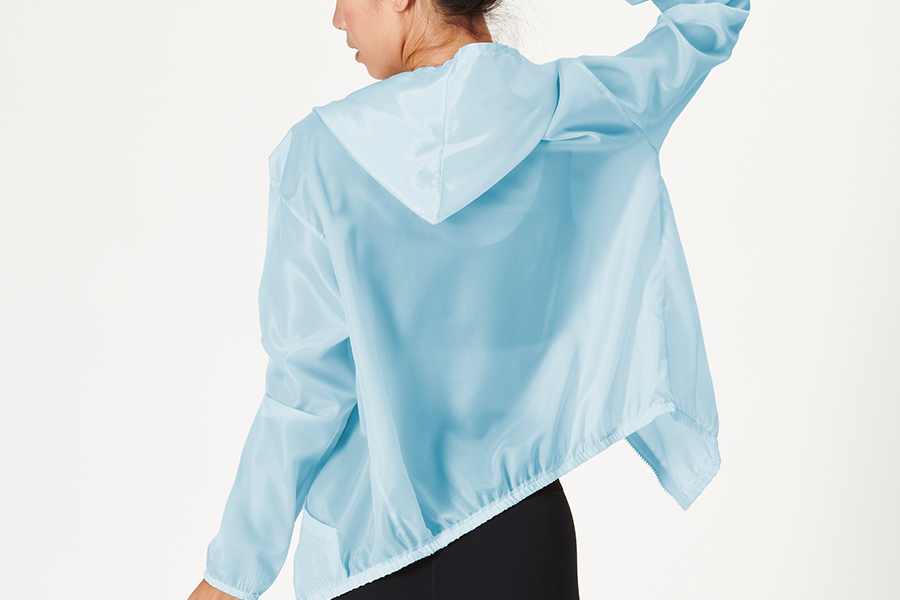

First, sunscreen clothing inspection points
1. Sun protection
Professional testing confirms that the UPF value is up to standard to ensure effective UV protection.
2. Fabric quality
To check the texture, breathability, abrasion resistance and washability of the fabric, quality fabrics should be soft and comfortable, breathable and not stuffy sweat, and after many washes can still maintain good performance.
3. Details of workmanship
This includes whether the stitching is smooth and firm, with or without skipping or leaking; whether the neckline, cuffs, hem and other parts are handled finely, with or without raw edges; whether zippers, snap buttons and other accessories are smooth and work well, and whether they are tightly connected to the fabric.
II. Preparation before inspection
First of all, we should prepare the relevant goods inspection information, samples, etc., in order to check whether the products meet the requirements against each other. Secondly, prepare the necessary tools, such as tape measure for measuring the size, UV detector for preliminary testing of sunscreen performance, magnifying glass for observing the details of workmanship. At the same time, it is necessary to understand the relevant standards and requirements of the product in advance, and familiarize yourself with the various performance indicators and testing methods of sunscreen clothing.
III. Sun protective clothinggoods inspection process
1. Count the quantity of goods to ensure that the actual quantity is consistent with the order. In the process of counting, pay attention to distinguish between different styles, colors and sizes of products.
2. Check whether the product packaging is intact and undamaged, and see whether the markings on the packaging are clear and complete, including product name, specifications, brand and other information. At the same time, confirm the firmness of the packaging, whether it can effectively protect the product during transportation and storage.
3. Carefully check whether the information on the mark is consistent with the requirements of the order, including the name of the product, model, quantity, etc.. Marks should be printed clearly and accurately, whether the position is correct, there is no blurring, misprinting, omission and so on.
4. Compare the sun protective clothing with the samples and the style requirements in the order. Check whether the color is consistent and there is no obvious color difference; whether the style design is in line with the requirements, such as the length of the garment, sleeve type, pocket style, etc. is the same as the sample; whether the printing or embroidery of the pattern or logo is clear and complete, whether the position is accurate, whether there is no deformation, loss of color and other problems.
5. Some simple function tests can be carried out on site. For example, to check the breathability of sunscreen clothing, can be masked in the mouth of the cup of water, blowing hard to observe the inner wall of the cup of water vapor condensation, the more water vapor indicates that the better the breathability; test the water resistance of the fabric (if the product has this function), can be a few drops of water on the surface of the fabric, to observe whether the water beads can quickly slide off, and whether the fabric does not seepage.
6. Use a tape measure to measure key dimensions of the sun protective clothing, such as garment length, chest circumference, shoulder width and sleeve length. Compare the measurement results with the information to check whether the size deviation is within the permissible range. If there is any size discrepancy, the specific data and the degree of deviation need to be recorded.
7. Check whether the stitch density of the sewing thread is even, generally speaking, the denser the stitch, the stronger the sewing thread; check whether there are problems such as skipping, leaking and heavy threads. Observe whether the cutting of fabrics is neat and tidy, and whether there is any crooked phenomenon; check whether the installation of various accessories is firm, such as whether the zipper is installed flat, whether the zipper is smooth, and whether the snap button is fastened tightly.
8. On-site completion of handwritten reports: in the process of goods inspection, we should promptly record the problems found and the results of the inspection, including the number of products, packaging, marking information, whether the style is in line with the results of the functional test, size measurement data, production process issues, etc.. After the end of the inspection, the site to organize this information, complete the handwritten inspection report, the report should be clear, accurate and detailed, indicating the inspection time, location, inspection personnel and the basic information of the product and the existence of the problem.
Fourth, common problems in the inspection of sunscreen clothing
1. Size error: the actual size of the sunscreen garment does not match the sample, such as the deviation of the length of the garment, sleeve length and so on.
2. Inadequate sun protection: The UPF value of sun-protective clothing does not meet the label on the product identification, or the sun protection effect is poor under different UV intensity.
3. Problems of production process: uneven stitching, skipped threads, leakage of threads, serious raw edges on neckline, cuffs and other parts of the neckline, unsound installation of fittings, easy to be damaged, and so on.


 Chinese
  English
  Japanese
  Korean
  Indonesian
  German